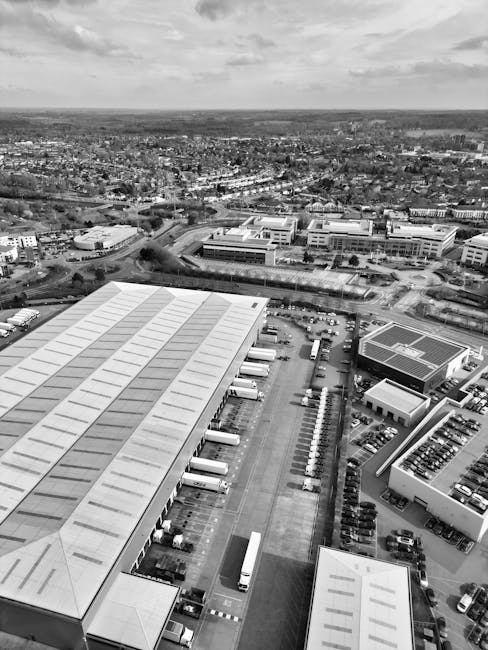
Moving out of Brent Park Retail Park: loading bay tips
Posted on 22/05/2026
If you are moving out of Brent Park Retail Park, the loading bay can make or break the day. It sounds like a small detail, but in practice it affects timing, parking, safety, how quickly furniture reaches the van, and whether the whole move feels calm or chaotic. A good plan saves you from circling the site, blocking access, or trying to manoeuvre a wardrobe when the clock is already ticking.
This guide covers practical loading bay tips for retail park moves, from preparing your vehicle and checking access to reducing lifting risks and making the most of a short loading window. It also links the move to the wider job: packing, furniture handling, last-minute cleaning, and whether you need a local removals service in Brent Park or a smaller man and van option. Truth be told, a smooth loading bay plan often matters more than people expect.
One small scene sums it up: the lift has finally arrived, a trolley is waiting by the bay, and the last thing anyone needs is a driver unsure where to stop. That moment is where preparation pays off. So let's get into the details, clearly and without fluff.
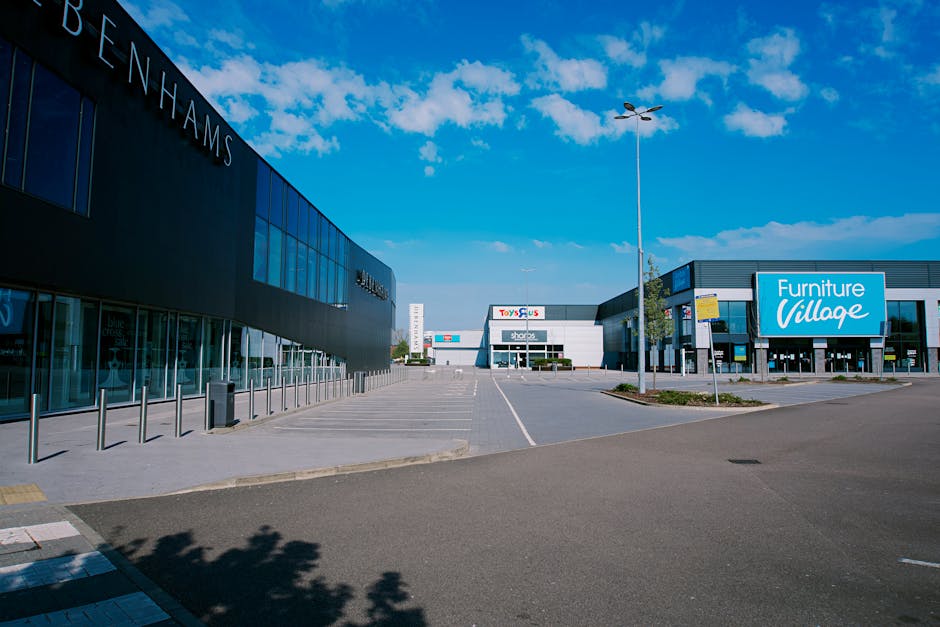
Why Moving out of Brent Park Retail Park: loading bay tips Matters
Retail parks are convenient places to work from, shop from, and leave from. But they are not designed to be improvised on moving day. Loading bays usually come with time pressure, shared access, tight turning space, and a fair bit of traffic from other businesses. If you misjudge any of that, the move gets slower, more tiring, and more stressful than it needs to be.
For a retail park move, the loading bay is not just a parking spot. It is a working area. That means vehicles need to be placed so doors can open safely, trolleys can roll without clipping kerbs, and people can lift without weaving around passing cars. Sounds obvious, but it is amazing how often people discover the problem only when the van is already half-full.
There is also a hidden benefit. Good loading bay habits protect items from damage. A TV, desk, shop display unit, or even a mattress can be awkward in a crowded bay. If you plan the sequence properly, you reduce bumps, dragging, and the sort of frantic carrying that usually ends with someone saying, "I should have brought gloves."
If you are moving business stock, office furniture, or a flat's worth of belongings from a retail park area, the loading bay can also affect reputation and access for everyone else. So the aim is not just to be quick. It is to be orderly, safe, and respectful of the site.
How Moving out of Brent Park Retail Park: loading bay tips Works
Every retail park is a little different, but the basic process is similar. You identify the bay or access point, confirm whether there are any time limits, position the vehicle, and then load in a controlled sequence. If you are using a professional crew, one person usually manages the vehicle side while another brings items from the property. If you are doing it yourself, the same logic still applies; you just need to be stricter about timing and communication.
Think of the loading bay like a relay point. Items should move from the property to the bay, then from the bay into the van, with as few pauses as possible. A pause is not always bad, but a long pause usually means someone is looking for tape, someone else is missing keys, and the kettle has somehow become the most important object in the building. Happens more than you'd think.
The best setup depends on the size of your move. A small domestic move may only need a man and van, while a larger load, especially with bulky furniture, may suit a furniture removals team or even a full services overview to decide what level of support fits the job.
In practical terms, the process usually works like this:
- Check the access rules and where vehicles can stop.
- Prepare items so they are ready to move, not still being packed on the spot.
- Park or position the van in line with the bay's flow.
- Load the heaviest and largest pieces first, unless access dictates a different order.
- Keep pathways clear and re-check the route after every few items.
- Do a final sweep so nothing is left behind in cupboards, corners, or under desks.
That is the simple version. The real trick is making it feel simple on the day.
Key Benefits and Practical Advantages
A well-run loading bay plan brings more than convenience. It cuts stress, keeps people safer, and often saves time and money. Those are the obvious wins. But there are a few less obvious ones too.
First, it reduces damage risk. A shorter carry from door to van means fewer chances to scrape a frame, drop a box, or twist awkwardly with a heavy item. This matters a lot with awkward furniture or anything that really should be wrapped, strapped, or handled by two people.
Second, it improves timing. Retail park access windows can be tight. If you spend the first ten minutes deciding where to stop, you lose momentum fast. A clear plan keeps the move moving. Simple, but powerful.
Third, it helps everyone stay calmer. People work better when they know what happens next. One person checks items off. One person handles loading. Another manages the route and the bay. That split of responsibilities sounds small, yet it often stops the whole day from becoming a muddle.
Fourth, it makes professional help more effective. If you are booking a removal service in Brent Park or a removal van, clear access lets the crew work properly instead of waiting around. Waiting is expensive in time, even when nobody says it out loud.
For many movers, the biggest advantage is really this: a loading bay plan turns uncertainty into routine. And routine is gold on moving day.
Who This Is For and When It Makes Sense
This guide is useful for a lot of people. If your move involves a retail park loading bay, you will probably recognise yourself somewhere in this list:
- People moving out of a nearby flat or apartment with shared access.
- Small businesses relocating stock, fixtures, or office equipment.
- Students moving furniture and boxes on a tight schedule.
- Households with bulky items like beds, sofas, or wardrobes.
- Anyone arranging same-day or last-minute transport.
It is especially useful if you are working to a deadline. Maybe your lease ends at midday. Maybe the retail park access slot is short. Maybe you have a delivery coming later and need the bay cleared quickly. In those cases, you do not need vague advice. You need a plan that fits the site.
If you are moving a smaller load, a man with a van in Brent Park is often enough. For larger homes, awkward furniture, or higher-value items, it is worth looking at house removals in Brent Park or flat removals in Brent Park. The point is to match the service to the access reality, not the other way around.
In our experience, the people who benefit most are the ones who plan the access as carefully as the packing. That sounds obvious, but many don't. They pack beautifully, then forget the bay. Little gap, big problem.
Step-by-Step Guidance
Here is a practical, no-nonsense approach to handling the loading bay on moving day.
1. Confirm the access rules before the van arrives
Check whether the loading bay is reserved, whether there are time limits, and whether a specific entrance must be used. If you are unsure, ask in advance. Do not assume the nearest open space is fair game. That assumption is how delays start.
2. Measure the awkward stuff first
Large items deserve attention before the small boxes do. Measure long sofas, tall wardrobes, mattresses, desks, and any item with an odd shape. A quick check can prevent the painful moment when the item is already halfway through the doorway and everyone goes quiet. Not ideal.
If you are moving larger furniture, it may help to read about moving beds and mattresses efficiently and protecting a couch during storage or transit. Even if you are not storing items long term, the protective wrapping advice is still useful.
3. Pack for loading, not just for storage
Boxes should be strong, clearly labelled, and not overfilled. The best packed box in the world still needs to be lifted from a bay to a van. If it is too heavy, it will slow everything down. Use sensible sizes, especially for books, files, and kitchen items.
For a solid packing framework, see this packing plan guide and the practical advice on packing supplies and boxes in Brent Park.
4. Create a loading order
Load the van in a sequence that suits the destination and the route through the bay. Heaviest items usually go in first, low and secure. Softer items and boxes follow. Keep essentials separate so they can be unloaded quickly.
A basic loading order might look like this:
- Mattresses, bed frames, and flat-pack parts
- Wardrobes, desks, cabinets, and other large furniture
- Appliances and boxed kitchen items
- Fragile boxes and labelled essentials
- Loose items, cleaning bits, and final carry-outs
5. Assign roles clearly
Someone should control the van space. Someone should carry. Someone should check that the bay stays clear. If you are moving on your own, the role-switching still matters. Don't keep stopping to wonder what to do next. That back-and-forth wastes energy.
This is where good lifting technique matters too. If the load is heavy, read up on kinetic lifting and body mechanics and solo heavy lifting safety. They are especially useful if you are tempted to do the whole thing on your own. We've all had that moment of overconfidence. Usually followed by a sore lower back.
6. Keep the route clear
Before moving the first item, check the path from the property to the bay. Look for trip hazards, curb edges, wet patches, and doors that swing shut. A dry morning can still leave the bay dusty or slick. One loose box on a poor surface is enough to cause a wobble.
7. Do a final sweep before leaving
Retail park moves often involve shared spaces and set times, so finishing cleanly matters. Check storage cupboards, under tables, behind doors, and around charging points. If the move includes a final clean, this is where it pays off. You might find the advice in these pre-move cleaning tips particularly helpful.
Expert Tips for Better Results
The following tips are the kind that can quietly save a move from becoming messy. Not flashy. Just useful.
- Arrive with items already grouped. Keep furniture together, boxes together, and fragile items clearly separated.
- Use labels that tell people what to do. "Kitchen," "fragile," and "open first" are all more useful than a random code nobody remembers.
- Keep the first van load balanced. A badly stacked start usually creates problems later, especially if the route includes bumps or a longer drive.
- Protect corners and edges. Door frames, tabletops, and shelving take the most abuse in tight bays.
- Have a backup plan for parking. If the exact bay is busy, know where the alternative stopping point is before anyone starts carrying.
- Leave a small buffer in the schedule. A ten-minute delay feels minor until it costs you the access slot.
Another thing people overlook is weather. A wet afternoon changes the whole feel of the operation. Cardboard softens, floors get slippery, and hands tire faster. Even on a bright day, the breeze can move loose paper around the bay in an irritating little dance. So yes, weather matters.
If the move is part of a larger reset, it can also help to declutter before the day. Less stuff means less pressure on the loading bay and less time spent deciding whether that old chair really deserves another journey. A useful starting point is these decluttering strategies for moving.
![The image shows the entrance to a Costa Drive Thru located at the boundary of a retail park, with a large, red rectangular archway signage overhead displaying the Costa logo and the words 'DRIVE THRU.' Beneath the arch, a white arrow painted on the tarmac directs vehicles to proceed forward through the entrance. To the left side of the entrance, there are several small green park benches and a black car parked nearby. On the right, a white temporary building or storage unit is visible, along with a dark blue car waiting in the driveway. The scene is set during daytime with overcast skies, and the area is surrounded by greenery, including trees behind the infrastructure. The photograph is related to house removals or moving services, illustrating a typical vehicle access point at a retail park, which [COMPANY_NAME], based at [DOMAIN], may utilize for client relocations or furniture transport from commercial areas like Brent Park Retail Park, as discussed on the page titled 'Moving out of Brent Park Retail Park: loading bay tips, BRENT PARK' available at [PAGE_URL].](/pub/blogphoto/moving-out-of-brent-park-retail-park-loading-bay-tips2.jpg)
Common Mistakes to Avoid
A lot of loading bay problems come from small avoidable errors. None of them are dramatic on their own. Put together, though, they make the move harder than it needs to be.
| Mistake | What usually happens | Better approach |
|---|---|---|
| Arriving without checking access | The van has nowhere sensible to stop | Confirm bay rules and route in advance |
| Loading items in the wrong order | Heavier items block easier ones | Plan the van layout before the first lift |
| Using boxes that are too heavy | Slower carries and more strain | Split heavy contents into smaller boxes |
| Leaving walkways cluttered | Trips, delays, and awkward manoeuvres | Keep the route clear at all times |
| Doing every lift solo | Higher injury risk and damaged items | Use two-person lifts for awkward loads |
| Forgetting the final check | Items get left behind | Do one slow sweep of every room or unit |
One classic mistake is treating the loading bay like a parking bay. It is not. It is a workflow space. That one shift in thinking changes how you park, how you carry, and how you communicate. Small change, big difference.
Tools, Resources and Recommendations
You do not need a van full of specialist kit, but a few well-chosen tools make retail park loading much smoother.
- Furniture blankets for sofas, tables, and shelves
- Ratchet straps or strong tie-downs to stop movement in transit
- Clear packing tape and labels so boxes stay identified
- Heavy-duty gloves for grip and hand protection
- Dolly or sack truck for heavier boxes and appliances
- Floor protection if the route includes finished surfaces inside the property
- Basic toolkit for bed frames, shelving, and flat-pack furniture
For larger or more awkward pieces, consider whether professional handling would be the smarter route. A specialist service can help with the practical side, especially if you are moving items that are difficult to balance or protect. That is where options like piano removals in Brent Park become relevant for the heavier, more delicate end of the scale. Similarly, if you have large home furniture, it is worth reviewing why DIY specialist moves can cost more than expected before deciding to wing it.
And if a few items are going into storage rather than straight to the new place, it may help to read storage options in Brent Park alongside the article on storing a disused freezer safely. Odd item, yes, but the preparation principles are surprisingly transferable.
Law, Compliance, Standards, or Best Practice
This section is about cautious best practice rather than legal advice. Retail park access rules, site conditions, and vehicle restrictions can vary, so always check the specific location's guidance before moving day.
In the UK, movers should follow sensible health and safety practice: avoid unsafe lifting, keep access routes clear, and make sure loads are secured properly in transit. If you are using staff or helpers, clear communication matters. A short briefing before the work starts is better than a long argument after someone has twisted a shoulder.
For businesses, there may also be site-specific requirements around delivery windows, fire exits, shared access, or parking permissions. If you are unsure, ask the property manager or site contact. A quick phone call can save a lot of backtracking later.
It is also sensible to think about insurance and accountability. Accidents are rare when everyone is careful, but they do happen. That is why choosing a mover with clear policies can matter. You can read more about insurance and safety as well as the company's health and safety policy. If you are comparing providers, the pages on pricing and quotes and removal companies in Brent Park can help you judge value as well as convenience.
Practical best practice: if the loading bay feels tight, assume you need more time, not less. A little slack is the difference between calm and chaos.
Options, Methods, or Comparison Table
There is more than one way to tackle a retail park move. The right option depends on the amount of furniture, the distance to the van, and how much time you have.
| Approach | Best for | Advantages | Watch-outs |
|---|---|---|---|
| DIY with a hired van | Small moves and low budgets | Flexible, straightforward, direct control | You handle all lifting, planning, and risk |
| Man and van | Medium-sized loads or mixed items | Practical support without full-service overhead | Still need good access planning |
| Full removals service | Larger homes, offices, or awkward furniture | Less stress, better handling, more coordination | Needs clearer booking and scheduling |
| Same-day support | Urgent moves or short notice changes | Fast response and quick turnaround | Availability can be limited |
If you are still deciding, a good rule of thumb is this: the more awkward the access, the more valuable experienced help becomes. For example, a retail park loading bay plus a third-floor flat is not the day to test your patience. You may want to look at same-day removals in Brent Park if timing is the real issue, or student removals if you are keeping things small and efficient.
Case Study or Real-World Example
Here is a realistic example based on the kind of move people often make around Brent Park.
A small household was leaving a flat above a retail unit. The building had a shared loading bay with short access, and the move included a bed, a wardrobe, two sofas, boxed kitchenware, and a few small appliances. At first, the plan was to "just start early and see how it goes." That approach would have been a mess. To be fair, it's a tempting one when you're tired.
Instead, the movers did three things well. First, they pre-packed everything the night before and labelled the heavier boxes clearly. Second, they measured the wardrobe and bed frame so they knew exactly how to turn them through the doorway. Third, they kept one person at the bay to manage the van loading order while another brought items down in sequence.
The result was simple: fewer wasted trips, no blocked access, and no last-minute panic looking for box cutters or tape. There was still effort, of course. Moving is moving. But the bay stayed clear, the van was packed properly, and the whole job finished with a lot less noise and stress than expected.
That is the value of planning. Not perfection. Just fewer surprises.
Practical Checklist
Use this checklist the day before and again on the morning of the move.
- Confirm the loading bay location and access rules.
- Check vehicle size and turning space.
- Pack and label boxes clearly.
- Wrap fragile items and protect furniture corners.
- Separate essentials, documents, and valuables.
- Measure large furniture and doorways.
- Have straps, blankets, tape, and a tool kit ready.
- Clear the route from the property to the bay.
- Decide who carries, who loads, and who checks the bay.
- Plan the van loading order before the first lift.
- Do a final room-by-room sweep before leaving.
- Keep water, snacks, and a charger nearby. Seriously, it helps.
If you want a more general moving structure, the guide on escaping moving day stress is a useful companion read. It pairs nicely with this article because, well, the loading bay is often where stress starts if you don't plan ahead.
Conclusion
Moving out of Brent Park Retail Park is much easier when you treat the loading bay as part of the move, not a side note. Check access early, prepare your items properly, assign roles, and keep the loading sequence simple. Those small choices save time, reduce damage, and make the day feel far more manageable.
If you remember one thing, make it this: a calm loading bay is usually the result of decisions made the day before. That bit of planning is rarely glamorous, but it pays off every single time.
And if the move involves furniture, awkward lifting, or a tight schedule, getting support from a local team can make the whole process smoother from start to finish. A bit of help at the right moment is worth a lot.
Get a free quote today and see how much you can save.
Whatever kind of move you are planning, keep it steady, keep it safe, and give yourself the best chance of a clean start. That fresh, quiet moment after the last box is in the van? It's worth a bit of planning.