Willesden Junction to Brent Park removals planning guide
If you are planning a move from Willesden Junction to Brent Park, the job can look straightforward on paper and then suddenly get a bit messy in real life. Parking, access, packing, timing, stairs, last-minute keys, a sofa that looked perfectly normal until it met a narrow hallway - you know the kind of thing. This Willesden Junction to Brent Park removals planning guide is here to make the process calmer, clearer, and a lot more manageable.
Whether you are moving a flat, a family home, or a small business setup, the aim is the same: reduce stress, avoid avoidable delays, and keep your move organised from the first box to the final sweep. You will find local-minded advice, practical steps, and a few useful realities that people often only discover on moving day. To be fair, that is usually a bit late.
Quick takeaway: the best moves are rarely the fastest ones to plan. They are the ones where transport, packing, access, timing, and paperwork all line up before the first item is lifted.
Table of Contents
- Why Willesden Junction to Brent Park removals planning guide Matters
- How Willesden Junction to Brent Park removals planning guide Works
- Key Benefits and Practical Advantages
- Who This Is For and When It Makes Sense
- Step-by-Step Guidance
- Expert Tips for Better Results
- Common Mistakes to Avoid
- Tools, Resources and Recommendations
- Law, Compliance, Standards, or Best Practice
- Options, Methods, or Comparison Table
- Case Study or Real-World Example
- Practical Checklist
- Conclusion
- Frequently Asked Questions
Why Willesden Junction to Brent Park removals planning guide Matters
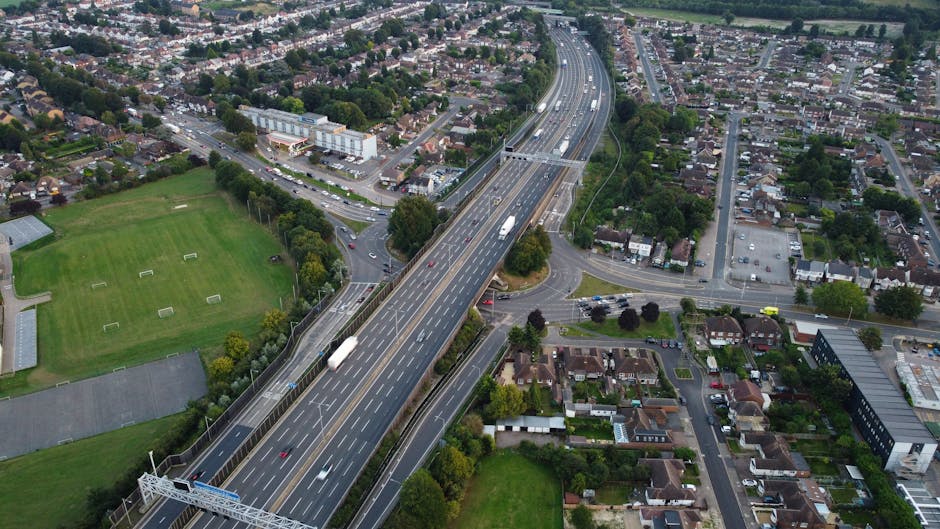
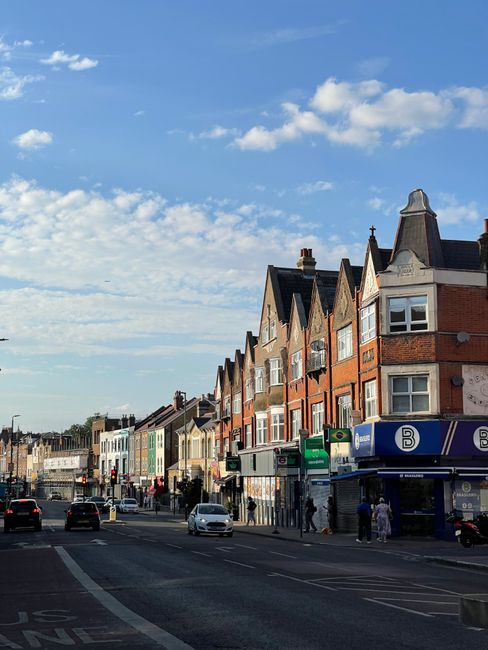
Moving between Willesden Junction and Brent Park may not cover a huge distance, but short local moves can still be surprisingly demanding. London streets do not always give you generous loading space, and small delays quickly add up when lift access, parking, and timing are not sorted in advance. That is why a proper removals planning guide matters here more than people expect.
The route itself can be simple. The logistics often are not. Brent Park includes a mix of residential streets, busier commercial areas, flats, and access conditions that can change the way a move needs to be handled. If you are moving at a busy time of day, or near retail and industrial roads, a vehicle can spend longer waiting than loading unless the plan is tight.
There is also the human side of it. People often underestimate how tiring a local move can feel when they are packing, chasing keys, answering calls, and trying to keep the kettle working until the last minute. A structured plan helps you stay ahead of that scramble. It gives you space to breathe, and honestly, that makes a big difference.
If you are comparing moving support options, it can also help to look at broader services such as removals, home moves, or man with van support, depending on how much help you need and how many items are involved.
How Willesden Junction to Brent Park removals planning guide Works
At its core, this type of move follows a simple structure: prepare, pack, protect, load, travel, unload, and settle. The trick is making sure each stage has enough detail behind it. If one stage is weak, the whole day feels more stressful than it needs to be.
Here is the basic flow most people follow:
- Assess the move size - count rooms, bulky furniture, fragile pieces, and any awkward items such as mirrors or exercise equipment.
- Check access at both addresses - stairs, lifts, doorway widths, parking restrictions, and whether the van can get close enough.
- Choose the right vehicle and support - a small flat move may need only a compact van, while a full household move may need a larger setup.
- Pack by priority - essentials first, then fragile items, then everyday belongings, then the less urgent bits.
- Label clearly - room names, contents, and special handling notes save time later. A little tape and a marker pen go a long way.
- Schedule the move window - factor in traffic, lift booking if relevant, key handover time, and any building rules.
- Load in the right order - larger and sturdier items first, delicate items secured separately, and essentials kept accessible.
In practical terms, the process works best when you think of the move as a sequence of small decisions rather than one giant task. That mindset alone can prevent a fair amount of drama.
Many people also choose to combine transport with extras such as packing and unpacking services, especially if time is tight or the move includes fragile household items.
Key Benefits and Practical Advantages
A good removals plan does more than keep the day organised. It protects your time, your belongings, and your energy. And let's face it, moving already has enough moving parts.
- Less stress on the day - clear planning reduces that last-minute rush where everyone is searching for bin bags, tape, and keys at once.
- Lower risk of damage - properly packed and protected items are far less likely to be chipped, scratched, or crushed.
- Better use of time - the van is loaded efficiently, which can reduce waiting and repeated trips.
- Smarter cost control - a well-organised move tends to avoid the hidden costs that come from delays, confusion, or extra labour.
- Less disruption to neighbours or building staff - especially important in shared blocks, where access and noise matter.
- More predictable settling-in - when boxes are labelled and grouped properly, you can get the essentials out first without tearing apart every room.
There is a quieter benefit too. A well-planned move feels more under control. You notice it in the small moments: fewer panicked phone calls, fewer repeated lifts up narrow stairs, and fewer sighs over a missing charger. Nice, that.
Who This Is For and When It Makes Sense
This guide is useful for a wide range of people, but especially if your move has any of the following features:
- You are moving locally within northwest London and want a realistic plan rather than vague advice.
- You have flats or upper-floor access and need to think carefully about stairs, lifts, and carrying routes.
- You own bulky furniture such as wardrobes, beds, sofas, white goods, or office equipment.
- You are moving on a tight schedule and need to make the day efficient from the start.
- You are comparing moving services and want to understand which option fits your move.
- You are managing a rental move and need to coordinate cleaning, key handover, and deposit-related deadlines.
It is also useful for landlords, small business owners, and anyone relocating items between home and storage. Sometimes the job is not a full household move at all. Sometimes it is one van, two strong backs, a mattress protector, and a route that needs a bit of thought.
If your move involves a commercial unit, a studio, or stock, take a look at commercial moves and office removals as well. Different space, same need for a clean plan.
Step-by-Step Guidance
The most useful way to plan a move from Willesden Junction to Brent Park is to work backwards from moving day. Start with the outcome you want, then fill in the details before time starts slipping away.
1. Confirm the move date and access windows
Before anything else, pin down when you can leave the current property and when you can enter the new one. If keys are delayed by even an hour, it can ripple through the entire schedule. Also check whether the building has lift booking times, parking restrictions, or quiet hours. These details feel small until they are suddenly very not small.
2. Make an inventory
Write down what is going. Room by room is usually the easiest approach. Note the awkward bits: a heavy bookcase, a bike, a freezer, the washing machine hose that never seems to sit right, and anything delicate or sentimental. An inventory makes it easier to choose the right van size and helps you avoid leaving something behind.
3. Sort and declutter early
The less you move, the easier the day becomes. Be honest with yourself here. If something has been living at the back of a cupboard since 2019, do you really want to pay to transport it? Use the move as a chance to strip out broken furniture, duplicate kitchenware, and that mysterious cable bundle nobody recognises.
If you are clearing items responsibly, a useful next step may be recycling and sustainability. For single-item collection, furniture pick-up can also be a practical option.
4. Gather packing supplies
Good boxes matter. So do tape, labels, markers, bubble wrap, paper, mattress covers, and protective blankets. Use strong boxes for books and smaller items, not huge flimsy ones that collapse the second you lift them. Heavy items should go into smaller boxes. It sounds obvious, but people still pack books into giant cartons every year and then regret it about 20 metres later.
5. Pack by zone and priority
Begin with non-essentials, then move to the items you use daily. Keep a clearly marked essentials box for the first night: kettle, mug, chargers, toiletries, medication, a change of clothes, toilet roll, and any paperwork you need quickly. You will thank yourself at 8 p.m. when the room is full of boxes and you just want tea.
6. Protect fragile and bulky items properly
Wrap glass, crockery, mirrors, and lamps carefully. Disassemble furniture where sensible, and keep screws in labelled bags taped to the relevant item. If you are moving a bed or mattress, the job is easier when you plan it in advance. For more detail, there are useful movement-specific tips in timesaving tips for moving your bed and mattress.
7. Plan loading order and route
Put the largest and sturdiest items in first, then fill the gaps with boxes and soft items. Make sure essentials are not buried. On the travel side, the route between Willesden Junction and Brent Park is usually not difficult, but traffic patterns and local road access still matter. Allow some margin. A move without margin is often a move with stress.
8. Prepare the new property before arrival
If possible, make sure utilities are on, floors are reasonably clear, and the rooms are ready for boxes. It helps to know where key furniture will go before the van even arrives. Otherwise you end up placing boxes down, picking them up again, then moving them a third time. Not ideal. Not ideal at all.
9. Unload with a room-by-room plan
Direct each item to its destination as it comes off the van. A simple label like "kitchen" or "spare room" saves a surprising amount of time. If you have children or pets underfoot, try to keep a safe staging area so the space does not become a jumble of feet, tape, and half-open cartons.
10. Check off damage, missing items, and final tasks
Before the van leaves, do a quick walk-through. Check cupboards, loft spaces, under beds, and meter cupboards. Then make sure doors are locked, keys are handed over correctly, and any waste or packing material is tidied. A final sweep can save an awful lot of coming back later.
Expert Tips for Better Results
After plenty of local moves, a few habits consistently make the day smoother. Nothing dramatic. Just good, steady discipline.
- Pack a "first 24 hours" box - keep it with you rather than deep in the van. It should include valuables, medication, chargers, snacks, and basic cleaning supplies.
- Use colour coding if the move is larger - a sticker or coloured tape for each room can speed things up at both ends.
- Photograph cable setups - especially if you are moving TVs, internet equipment, or desktop computers. One quick photo saves a lot of head-scratching later.
- Protect floors and corners - shared buildings and rented properties often need a bit of extra care, especially in narrow hallways.
- Keep a bag for paperwork - tenancy papers, ID, utility notes, and any moving confirmations should not disappear into a random box.
- Book earlier than you think - local moving slots can tighten up around weekends, month-end dates, and school holidays.
A small thing, but worth saying: if you are unsure whether an item needs special handling, ask before moving day. It is much easier to answer a question the day before than to solve a problem in the doorway. Real-life moving is rarely elegant, but it can still be tidy.
Common Mistakes to Avoid
The biggest moving mistakes are usually not dramatic. They are ordinary things done late, rushed, or not checked properly. That is what makes them expensive in time and energy.
- Underestimating volume - one van may be fine for a light flat move, but not if the loft, shed, and storage cupboard are all full too.
- Leaving packing too late - last-minute packing almost always creates damage, confusion, and forgotten items.
- Ignoring parking access - if the van cannot park near the entrance, loading becomes slower and harder.
- Using poor box sizes - overfilled boxes are dangerous to carry and can split at the worst moment.
- Not separating essentials - if the kettle, phone charger, and toiletries are buried, your first evening becomes more awkward than necessary.
- Forgetting building rules - some blocks have lift booking systems, access codes, or management instructions that need advance notice.
- Assuming everything will fit without measuring - a wardrobe or sofa that fits in one home may turn into a puzzle in another.
One of the more common issues in Brent Park and surrounding streets is simple access mismatch: a van arrives, but the curb space is tighter than expected, or a loading bay is already taken. It happens. Planning around that possibility keeps the day from going sideways.
Tools, Resources and Recommendations
You do not need a huge toolkit to manage a local move well, but the right basics make a visible difference. Here is what tends to help most:
- Sturdy boxes - especially smaller boxes for books and heavy kitchen items.
- Packing tape and dispensers - a small tool, big time-saver.
- Labels and marker pens - simple, clear room labels beat clever labels every time.
- Furniture blankets and covers - useful for protecting polished surfaces and fabric items.
- Straps or ties - handy for keeping items stable inside the van.
- Floor protection - useful if you are moving through a finished hallway or a newly painted flat.
- Basic hand tools - screwdrivers, Allen keys, and a box for fasteners.
For people wanting a broader move support package, man and van removals can suit smaller or more flexible jobs, while a larger move may call for a fuller service such as house removals. If you are comparing cost and value, the pricing information at pricing and quotes can help set expectations before you commit.
For a deeper read on budgeting, the article on how much Brent Park removals cost is a useful companion. It is not about guessing a number and hoping for the best; it is about understanding what affects the quote.
Law, Compliance, Standards, or Best Practice
For a local move, you usually do not need to navigate heavy legal paperwork yourself, but you do need to respect building rules, parking controls, and safe moving practice. That distinction matters.
In practical terms, this means checking whether your address has:
- controlled parking or permit restrictions
- loading-only windows
- shared access or concierge requirements
- lift reservation rules
- rules for waste disposal and leaving items in communal areas
It is also sensible to choose a mover that treats safety and property care seriously. If a company mentions insurance, handling standards, or working procedures, read the details rather than skimming past them. Support pages like insurance and safety and health and safety policy are the kinds of pages that should give you confidence, not just fill space on a website.
For waste and leftover items, follow local disposal rules and avoid assuming that a pavement pile is acceptable. It is not. If in doubt, arrange responsible removal or recycling rather than leaving it to chance. A bit of care here saves hassle later, and it keeps the move respectable for everyone around you.
Best practice is simple: protect people, protect property, and protect timing. Everything else hangs off those three things.
Options, Methods, or Comparison Table
Different moves need different levels of support. If you are deciding between DIY help, a man and van, or a fuller removals service, this comparison can help clarify the trade-offs.
| Option | Best for | Strengths | Watch-outs |
|---|---|---|---|
| DIY with hired van | Very small moves or tight budgets | Control over timing and cost | High physical effort, more planning burden, no built-in help with loading |
| Man and van | Small to medium local moves | Flexible, often quicker to arrange, useful for flats and short-distance jobs | May not suit larger households or many bulky items |
| Full removals service | Larger homes or complex moves | More support, better for heavy or delicate loads, less strain on you | Usually costs more, so it needs a clearer budget |
If your move is straightforward and local, a smaller setup may be enough. If you have a lot of furniture, awkward access, or a busy day with children, pets, or a tight handover window, fuller support tends to be worth it. Truth be told, the cheapest option is not always the most economical once time and effort are counted properly.
Case Study or Real-World Example
Here is a realistic example based on the kind of move people often make in this part of northwest London.
A couple moving from a two-bedroom flat near Willesden Junction to a new place in Brent Park had a manageable amount of furniture, but the building on both sides had narrow shared access and limited curb space. They originally thought they could pack everything the night before and "just get it done" the next morning. Familiar story.
Instead, they split the move into three stages. First, they packed non-essentials a week ahead. Second, they labelled every box by room and set aside an essentials bag. Third, they checked access on both days, including whether the van could stop close enough to avoid long carries. They also booked help for the heavier items rather than trying to muscle the wardrobe down stairs themselves.
The result was not magical, but it was steady. Loading took less time than expected because the boxes were organised. The moving team did not need to stop and ask where everything went. And the final hour was spent unpacking basics rather than hunting for charger cables in a mound of blankets.
That kind of move is a good reminder that the win is not perfection. It is reducing friction. One less problem, then another, then another. By the end of the day, that really shows.
Practical Checklist
Use this checklist in the final days before moving. It is simple, but that is the point.
- Confirm moving date, key handover, and access times
- Check parking or loading restrictions at both addresses
- Measure large furniture and doorways where needed
- Book the right level of moving support
- Collect boxes, tape, labels, and protective materials
- Pack an essentials bag for the first 24 hours
- Separate fragile items and mark them clearly
- Keep important documents and valuables with you
- Defrost or prepare appliances in advance if needed
- Arrange disposal or recycling for items you are not taking
- Do a final sweep of every room, cupboard, and storage space
- Take meter readings if relevant
- Check that windows, doors, and lights are secure before leaving
Expert summary: the strongest move plans are not the fanciest ones. They are the ones that make the day easier for the person doing the carrying, the person unlocking the door, and the person waiting for the kettle to boil at the other end.
Get a free quote today and see how much you can save.
Conclusion
A move from Willesden Junction to Brent Park does not need to become a long ordeal. With the right preparation, sensible packing, and a clear plan for access and timing, it can feel controlled rather than chaotic. That is the real goal here.
The best advice is simple: start earlier than you think, measure the awkward items, keep the essentials close, and do not ignore the small stuff such as parking and building rules. Those small details are often the difference between a move that runs smoothly and one that drifts into frustration.
If you take one thing from this guide, let it be this: plan the move for real life, not for the ideal version of real life. Real life has stairs, traffic, missing tape, and a cupboard full of things you forgot existed. Plan for that, and you are already ahead.
And once the boxes are in, the noise dies down, and the first mug of tea lands on the kitchen counter, it all feels a bit better. Usually does.
Frequently Asked Questions
How far in advance should I start planning a move from Willesden Junction to Brent Park?
As soon as you have a likely moving date, start planning. For a simple local move, a couple of weeks may be enough if you are organised. For a larger household move, earlier is better because packing, access checks, and disposal of unwanted items all take longer than people expect.
Is a man and van service enough for this type of move?
It often is for smaller flats, lighter loads, or short-distance moves with good access. If you have lots of furniture, fragile items, or multiple flights of stairs, a more comprehensive removals service may be more practical.
What should I do about parking near both properties?
Check whether there are parking restrictions, loading bays, permit rules, or space for a van to stop safely. If parking is tight, build extra time into the schedule and make sure the moving team knows the access situation in advance.
How can I make moving day less stressful?
Pack early, label clearly, keep essentials separate, and avoid leaving the most difficult tasks until the morning of the move. A short checklist and a realistic time plan help more than most people realise.
What items are most likely to cause problems during a local move?
Bulky furniture, mirrors, beds, mattresses, white goods, large televisions, and items with awkward shapes tend to cause the most hassle. These need careful measuring, wrapping, and loading order.
Should I dismantle furniture before the move?
Usually, yes, if it makes the item easier and safer to carry. Beds, tables, and some shelving units are often simpler when broken down, provided you keep screws and fittings together in labelled bags.
What should go in an essentials box?
Keep the first-night basics close at hand: kettle, mugs, tea or coffee, phone chargers, toiletries, toilet roll, basic tools, medication, a change of clothes, and any important papers you may need quickly.
How do I avoid damage to fragile items?
Use strong boxes, plenty of padding, and clear labelling. Pack fragile items snugly so they cannot shift around, and do not place heavy items on top of them in the van.
Are there special considerations for flat moves in Brent Park?
Yes. Shared entrances, stairwells, lift bookings, and access codes can all affect timing. It is worth checking the property's rules ahead of time rather than assuming the move can begin whenever you arrive.
Can I save money by doing part of the move myself?
Yes, sometimes. A common approach is to pack personal items and smaller boxes yourself, then bring in help for transport, loading, or bulky furniture. That can be a sensible balance between cost and convenience.
What if I still have items I do not want to take?
Arrange disposal, recycling, or collection before moving day if possible. Leaving unwanted items until the last minute creates clutter and can slow down the move. It is better to deal with them early and keep the rest of the process clean.
How do I know which moving option is right for me?
Look at volume, access, timing, and how much lifting you want to do yourself. A small, easy-access move may suit a simpler service, while a larger or more complex move may need fuller support and more planning.