Avoid council fines after moving in Brent Park: waste rules
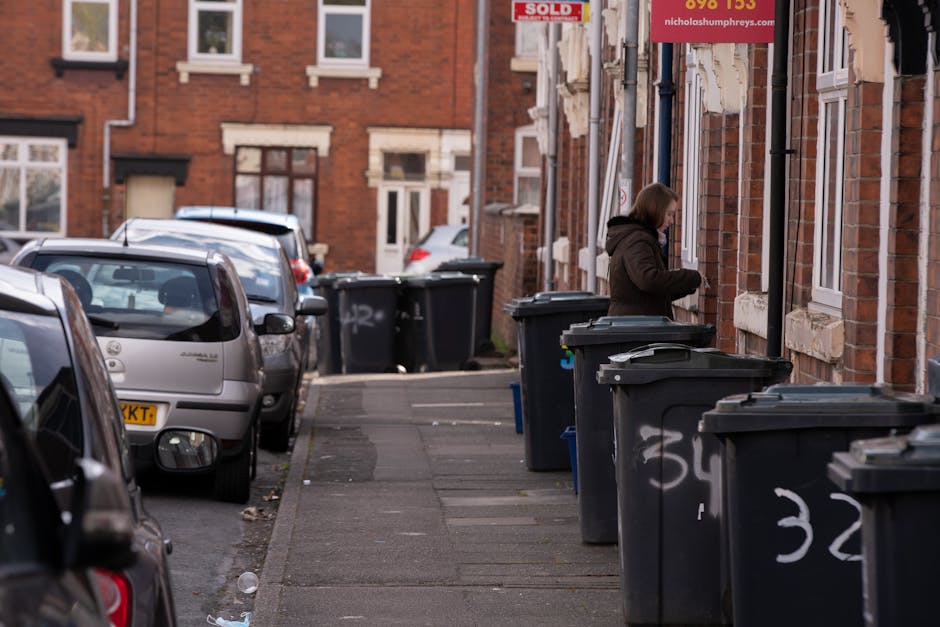
Moving home is noisy, tiring, and usually a bit messy. Boxes stack up, tape disappears, bags fill faster than you expect, and suddenly there's a pile of old furniture, packaging, and broken odds and ends outside the front door. That's exactly when people in Brent Park can trip over waste rules and pick up a council fine they never planned for. This guide to Avoid council fines after moving in Brent Park: waste rules is here to help you clear everything properly, avoid common mistakes, and handle the move with less stress.
To be fair, most fines don't happen because people are careless on purpose. They happen because moving day gets frantic. You run out of bin space. You're not sure what counts as fly-tipping. You leave something beside a communal bin "just for a few hours". Then the letter arrives, and the mood changes fast. Let's make sure that doesn't happen.
In the sections below, you'll find a practical breakdown of what usually causes problems, how waste disposal works during a move, what to do with bulky items and packaging, and how to stay on the right side of local expectations in Brent Park. There's also a checklist, a comparison table, and a few real-world examples so the advice feels usable, not just theoretical.
Why Avoid council fines after moving in Brent Park: waste rules Matters
Waste rules matter because moving creates a short-lived but very visible spike in rubbish. Councils tend to care less about the fact that you are moving and more about where your waste ends up. Put it in the wrong place, leave it too early, use an overflowing communal bin store, or hand rubbish to the wrong carrier, and you can create a problem that looks much bigger than it felt at the time.
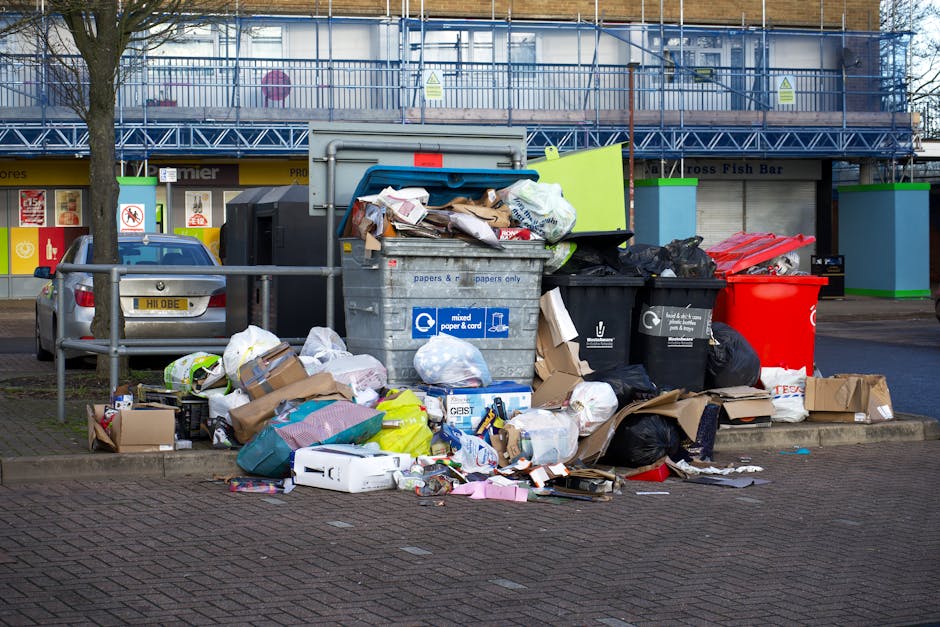
In Brent Park, that matters for a few reasons. First, local streets and shared spaces can fill up quickly when several households are moving at once. Second, bulky rubbish is easy to spot. A sofa next to a wall, a mattress by a bin area, or black sacks left open in the rain stands out immediately. And third, enforcement often follows the visual impact. In plain English: messy waste gets noticed.
There's also a practical reason. Poor waste handling can slow down the move itself. If packaging clogs hallways, if old furniture is left for "later", or if rubbish is scattered between rooms and the pavement, the whole day feels more chaotic. That's the part people forget. Good waste planning is not just about avoiding penalties. It keeps the move calmer.
Expert summary: The safest approach is simple: sort waste before moving day, separate reusable items from rubbish, use the correct collection or disposal route, and never leave items in shared or public spaces without being sure they are allowed there.
If you are also arranging help with the move itself, it can be worth looking at structured services such as removals, man with van, or house removals so the physical move and the clearance side are handled in a more organised way.
How Avoid council fines after moving in Brent Park: waste rules Works
The basic idea is straightforward: different types of moving waste need different handling. Some can go in household bins, some need to be taken to a proper disposal route, and some should be reused, donated, or collected separately. The key is not to treat everything as one big rubbish job. That's where most trouble starts.
Typical move-related waste falls into a few groups:
- Packaging waste: cardboard, paper, bubble wrap, tape, plastic wrap, and protective coverings.
- General household waste: broken items, food waste from the move, old cleaning cloths, and small non-recyclables.
- Bulky items: wardrobes, beds, sofas, tables, mattresses, and white goods.
- Reusable items: furniture or appliances still in decent condition, which may be better given away or picked up.
- Special waste: items like paint, batteries, bulbs, and electricals, which often need separate handling.
You also need to think about where the waste sits while you're dealing with it. Inside a private property is one thing. On a pavement, in a shared corridor, by a communal bin, or in a car park is another. That distinction matters. If waste is placed in a communal or public area, even temporarily, it can be viewed as improperly deposited unless the collection method is clearly allowed.
A common moving-day scenario goes like this: you've broken down boxes, you're tired, it's late, and someone says, "Just leave that by the bins until morning." It sounds harmless. It rarely is. A gust of wind, a skipped collection, or one extra bag can turn it into a complaint. Annoying, yes. But avoidable.
If you need help clearing items away before or after the move, options like furniture pick up and man and van removals can be useful when you want to keep disposal and transport in one tidy plan.
Key Benefits and Practical Advantages
Getting waste rules right after a move is not just about avoiding a fine. It has a few real-world benefits that make the move smoother and less exhausting.
- You reduce stress: no last-minute panic about where to put boxes, foam, or broken furniture.
- You protect your deposit or tenancy record: leaving waste behind can create avoidable disputes.
- You keep shared spaces usable: hallways, lifts, and bin stores stay clearer for neighbours.
- You save time: a sorted pile of waste is much easier to deal with than random bags and loose packaging.
- You lower the risk of complaints: that matters in blocks of flats and tight residential streets.
- You make recycling easier: cardboard and reusable materials are much simpler to separate when sorted early.
There's also a quieter benefit. A tidy move often feels like a tidy reset. You walk into the new place and, instead of seeing chaos everywhere, you've got breathing room. A clean landing. Fewer bags. Less clutter. Small thing, but it changes the whole tone of the day.
For people moving between flats, or moving a business premise, the stakes can be even higher. Shared entrances, loading areas, and limited storage mean waste can become a visible issue within minutes. In those cases, planning the clearance alongside the move is usually worth it.
Who This Is For and When It Makes Sense
This advice is for anyone moving in or around Brent Park who wants to avoid unnecessary council trouble. That includes first-time renters, families moving house, landlords clearing a property, and small businesses shifting offices or storage.
It is especially relevant if you:
- are moving out of a flat with shared bins or a communal refuse area;
- have a lot of cardboard, wrapping, or packing waste;
- need to dispose of bulky furniture or old appliances;
- are short on time and tempted to "deal with it later";
- are leaving the property on the same day as the move and have no spare space for rubbish;
- run a commercial move where packaging and office furniture build up fast.
It also makes sense if you're trying to decide whether to hire help. A lot of people think moving support is only about lifting boxes. Not really. If you're dealing with awkward sofas, office chairs, dismantled desks, or a mountain of packaging, a proper moving service can reduce the amount of waste left hanging around. That can make compliance easier too.
For business relocations, the same principle applies but with more moving parts. Services like commercial moves and office removals can help keep transport, packing, and disposal better organised from the outset.
Step-by-Step Guidance
If you want the simplest possible approach, follow this sequence. It keeps things practical and reduces the chance of a council issue later.
- Sort waste early. Do not wait until the moving van is outside. Create separate piles for recycling, reusable items, general rubbish, and bulky waste.
- Break down packaging as you go. Flatten boxes, remove tape where possible, and bundle similar materials together. It saves space and makes collection easier.
- Identify reusable items. If a chair, table, or appliance is still usable, think about donation, resale, or collection rather than binning it.
- Check what your property can actually take. Communal bins are not magic. If they are already full, don't keep forcing more in. Overflowing bins usually create obvious problems.
- Keep waste inside the property until disposal is arranged. This is the big one. Avoid leaving items in shared or public areas unless you are certain that route is allowed.
- Arrange removal for bulky waste separately if needed. Sofas and mattresses often need a dedicated solution. Don't assume they can just go out with household rubbish.
- Take special waste seriously. Batteries, bulbs, paints, and electricals should not be mixed in with ordinary rubbish.
- Leave the property clean. Do a final sweep of cupboards, corners, under beds, and behind doors. It's amazing what shows up when the room is empty. Tiny bits, mostly, but they add up.
A quick real-life example: imagine moving from a one-bedroom flat on a damp Thursday evening. You've got ten flat-pack boxes, two bin bags, a broken side table, and a mattress. If you leave the mattress near the bins because it "looks tidy enough", it may still count as an unauthorised deposit. If you separate it, arrange a proper pickup, and keep the rest inside until collection, you're in much safer territory. Simple. Not glamorous, but simple.
Expert Tips for Better Results
Here's where the little details matter. Most fines, complaints, and headaches come from tiny oversights rather than huge mistakes.
- Use a moving-day waste box. Keep scissors, tape, bin bags, marker pens, and gloves together in one place.
- Label recyclable and non-recyclable waste separately. It stops people from chucking everything into the nearest bag.
- Do a final packaging sweep before the van leaves. Cardboard tends to appear in the kitchen, hallway, and bathroom all at once. Somehow.
- Plan for the worst item first. If the sofa or wardrobe is the awkward one, solve that early rather than treating it as an afterthought.
- Avoid putting waste out "just for an hour". That phrase causes more trouble than it should.
- Keep photos of the clear condition at handover. Not because you expect trouble, but because it can help if there's a dispute later.
One more thing. If you're moving in winter, or on a wet day, paper and cardboard get heavy quickly. Damp boxes tear, spill, and spread across paths. It looks untidy in seconds. So if the weather is grim, get cardboard into shelter fast. That one little step can save a lot of bother.
And yes, sometimes the best tip is boring: start earlier than you think you need to. Moving has a habit of swallowing time. A lot of it.
Common Mistakes to Avoid
Most moving-related waste problems are very predictable. If you know the traps, you can sidestep them without much drama.
- Leaving items beside communal bins: even if they seem neatly placed, they may still count as improper disposal.
- Mixing bulky items with household waste: sofas, mattresses, and large units usually need a separate solution.
- Assuming the new tenant or neighbour will deal with it: they won't thank you for that, and rightly so.
- Forgetting about packaging waste: it looks harmless until you have five bags of it.
- Using the wrong carrier for waste clearance: if someone is removing rubbish on your behalf, make sure they are properly set up for the job.
- Dumping reusable items too quickly: sometimes the easiest option is not the best one.
- Leaving waste in shared hallways overnight: this often causes complaints first and questions later.
One slightly embarrassing but common mistake is forgetting about the "small stuff". Batteries in drawers. Loose screws. Half-used cleaning products. Cable ties. They don't look like much, but once you empty a flat, they suddenly turn into a whole small pile. Annoying little things, honestly.
If you want a more organised moving process overall, it can help to combine clearance with packing support. That is where services such as packing and unpacking services and movers can take some pressure off the day.
Tools, Resources and Recommendations
You do not need a complicated system to handle move waste well. A few simple tools are enough for most homes in Brent Park.
- Heavy-duty bin bags: useful for general waste and loose packing materials.
- Marker pens and labels: ideal for separating items into recycle, keep, donate, and dispose.
- Box cutters or scissors: for breaking down cardboard cleanly.
- Gloves: helpful when handling old furniture, dusty items, or broken packaging.
- Tape and string: for bundling flattened cardboard or securing loose pieces.
- Storage crates or tubs: good for keeping reusable items apart from rubbish.
In terms of practical recommendations, start with the items that create the biggest mess. That's usually the best use of time. Cardboard, polystyrene, wrapping, and broken furniture can take over a room very quickly. Clear those first and the whole place feels more manageable.
If the job is bigger than expected, consider checking structured local moving help such as removals near me, removal services, or man with a van. The best choice is usually the one that fits the amount of waste you actually have, not the amount you hoped you'd have.
Law, Compliance, Standards, or Best Practice
Waste handling during a move sits within ordinary UK waste expectations and local council enforcement practice. The exact details can vary by area, but the broad best practice is stable: do not leave rubbish where it is not permitted, do not dump waste in public spaces, and do not assume an item is acceptable just because it is "near" a bin or looks out of the way.
For move-related waste, a careful approach usually means:
- keeping waste on private property until it is ready for lawful collection or disposal;
- separating recyclables from general rubbish where possible;
- handling bulky waste through a suitable collection route;
- avoiding fly-tipping in any form, including casual placement in shared areas;
- using providers who handle waste responsibly and transparently.
Best practice also means being honest about what you are disposing of. For example, an old fridge, a mattress, or half a garage of boxes is not the same as a few spare bags from a normal household clear-out. The bigger the job, the more important it is to plan properly.
If you are using professional help, it is sensible to choose a company that takes safety and responsible handling seriously. You can review things like the health and safety policy, insurance and safety, and recycling and sustainability information to understand how the business approaches care, risk, and environmental responsibility.
Options, Methods, or Comparison Table
There is no single right answer for every move. The best disposal method depends on how much waste you have, what kind it is, and how quickly it needs to go. The table below gives a simple comparison.
| Option | Best for | Pros | Watch out for |
|---|---|---|---|
| Household bin disposal | Small amounts of general waste | Simple, familiar, quick | Not suitable for bulky items or overflow |
| Recycling separation | Cardboard, paper, some plastics | Reduces waste, cleaner handover, better sorting | Materials need to be clean and accepted locally |
| Reuse or donation | Furniture and appliances in decent condition | Waste reduction, less disposal hassle | Needs time and planning |
| Bulky waste pickup | Large items like beds, sofas, wardrobes | Handled in a more suitable way | Booking and timing matter |
| Professional removal support | Full house moves, office moves, larger clear-outs | Convenient, organised, less lifting for you | Choose the right service for your load |
For many people, the sweet spot is a blend of methods. Recycle what you can, donate usable items, and bring in removal help for the heavy or awkward stuff. That usually keeps the whole move tidier and safer.
Case Study or Real-World Example
Picture a family moving from a two-bedroom flat in Brent Park to a house nearby. They've packed the bedrooms properly, but by moving day they still have a corridor full of cardboard, a broken office chair, an old cot, and two bags of general rubbish from the last week. At first, the plan was to leave the waste in the shared bin area and "sort it later".
Instead, they paused and split everything into three groups. Cardboard was flattened and stored inside. The cot was set aside for reuse assessment. The broken chair was scheduled for separate removal. The two rubbish bags were kept indoors until the final collection route was clear. It took maybe 20 minutes longer, which felt annoying in the moment. But by the end of the day, the entrance was clear, there were no complaints from neighbours, and the handover felt calmer.
That's the real difference. The move did not become perfect. Moving never does. But the waste was handled in a way that avoided visible problems, and nobody had to spend the next week worrying about a council issue that could have been prevented.
Practical Checklist
Use this simple checklist before, during, and after your move.
- Flatten and separate cardboard early.
- Identify reusable items before throwing anything away.
- Keep rubbish inside the property until it is ready for proper collection.
- Do not leave bags or furniture in communal hallways or beside bins without checking the rules.
- Set aside batteries, bulbs, paint, and other special waste.
- Arrange a plan for bulky items like sofas, wardrobes, mattresses, and appliances.
- Do a final room-by-room sweep for small waste and loose items.
- Check that the property is left clean and safe.
- Keep any paperwork or service details in case you need to confirm what was removed.
- Ask for help early if the volume of waste is bigger than you expected.
If you are comparing options, it can help to look at house movers, removal company, or removal companies so you can choose support that fits the size and shape of your move.
Conclusion
Moving in Brent Park does not have to become a waste-rule headache. If you sort your rubbish early, keep an eye on communal spaces, separate bulky items, and use the right disposal route, you dramatically lower the chance of a council fine. More importantly, you keep the move calmer, cleaner, and easier to finish well.
The principle is simple enough, but it's the small decisions that matter. Where did the cardboard go? Is that sofa actually allowed there? Can that bag wait until morning? Answer those questions properly, and you're already ahead of most moving-day problems.
Get a free quote today and see how much you can save.
And when the last box is out, the hall is finally clear, and the place smells faintly of tape, dust, and a fresh start, that little bit of order feels surprisingly good.
Frequently Asked Questions
What usually causes council fines after moving in Brent Park?
The most common causes are leaving rubbish in the wrong place, putting bulky items beside communal bins, fly-tipping, and failing to dispose of waste through the proper route. The problem is often a small shortcut taken during a busy moving day.
Can I leave boxes next to the bins after moving out?
Usually, no. Even neat-looking boxes can be treated as improperly placed waste if they are left in a shared or public area. It is safer to keep them inside until they are flattened, recycled, or collected properly.
What should I do with a sofa or mattress?
Bulky items usually need a separate disposal plan. If they are still usable, consider reuse or pickup. If not, arrange a suitable bulky waste solution rather than leaving them near bin stores or on the pavement.
Do I need to separate cardboard from general waste?
Yes, where possible. Cardboard is easier to recycle when kept clean and flat, and it also makes the property much easier to clear on moving day. It's one of the simplest things you can do right.
What counts as special waste during a move?
Items such as batteries, bulbs, paint, certain electrical items, and some chemicals should not be mixed into ordinary household rubbish. They often need separate handling, so they are worth sorting out early.
Is it better to hire a removal service for waste and moving together?
For many people, yes. Combining transport and clearance can reduce the chance of waste being left around while you juggle boxes, keys, and handover deadlines. It also saves time when the move is larger or more awkward than expected.
What if I'm moving from a flat with shared bins?
That is exactly when planning matters most. Shared bin areas can fill quickly, and waste left nearby is much more visible. Keep items inside until you know the correct disposal route and avoid overfilling communal containers.
Can I put old furniture out for collection on the street?
Only if the collection route is allowed and properly arranged. Do not assume that placing items on the street or pavement is acceptable. If in doubt, keep the item on private property until the removal is confirmed.
How early should I start sorting waste before moving day?
Ideally, a few days before the move. Packaging and small household waste build up faster than people expect. Starting early stops the last day from turning into a pile of bags and tape everywhere.
What's the simplest way to avoid problems completely?
Keep waste indoors until it is ready for lawful collection, separate recyclable materials, avoid leaving anything in communal spaces, and arrange proper removal for bulky items. That one habit prevents most moving-related waste trouble.
Does using a professional mover automatically solve waste issues?
Not automatically, no. A good mover can help with transport and handling, but you still need to think about what is being thrown away, what can be reused, and where the waste goes. The plan matters as much as the lift.
Where can I get help if the move is bigger than I expected?
If the volume of waste or furniture is more than you can manage alone, look at services such as man with van removal, removal van, or moving van. Choosing the right level of help can make the whole day a lot more manageable.
What's the biggest mistake people make on moving day?
Leaving rubbish somewhere "temporary" and assuming it will be fine. That tiny decision can create complaints or enforcement issues. A better habit is to plan the waste route before the boxes start moving.